
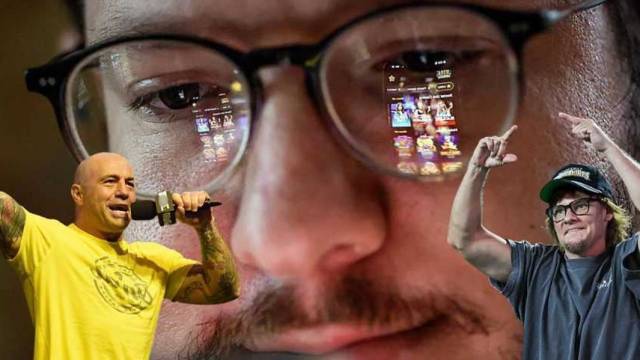
The trick of online gambling is that it markets itself as entertainment and finance at the same time. You’re not gambling. No, you are “making picks.” “Building parlays.” “Finding value.” The jargon sounds vaguely like a hedge fund internship for guys in tank tops.
The apps borrow heavily from social media design. Bright colors. Notifications calibrated to land at psychologically vulnerable hours. Instant dopamine. Near-misses engineered to keep users emotionally hostage. Vegas relied on free drinks and flashing lights. Modern sportsbooks use behavioral science perfected by Silicon Valley.
Sports betting hits young men particularly hard because it bonds with masculine identity. Sports have always offered escape, but now they double as a cruel promise of freedom from economic anxiety.
Every game now functions as a financial event. A chance to win. A chance to prove you outsmarted the algorithm. A chance to recover. I say this as someone who enjoys the odd wager, maybe 20 bucks on a soccer match or a UFC fight every few months. Plenty of my friends go harder. A few are clearly addicted, though they would never admit it.
This is not a male-only problem. Women participate too, in growing numbers. The image of gambling addiction as a strictly male affliction belongs to the era of landlines, fax machines, and Blockbuster late fees. Apps market aggressively to everyone, repackaging an old vice as lifestyle entertainment.
Casual. Social. Yet the celebrity endorsements roll on without a hint of hesitation. Empowering. America took compulsive wagering and gave it influencer branding. Lives ruined, families wrecked, mounting debt across every demographic.
Joe Rogan and Theo Von have both taken DraftKings sponsorships.

Neither man invented gambling. Neither forces a listener to do anything. Both have every right to accept advertisers.
But there’s an key question worth asking. At what point does cultural influence carry moral weight? With tens, perhaps even hundreds, of millions of dedicated listeners, they could sell practically anything. Both men are multimillionaires. Neither needs the sponsorship money to keep the studio lights on. Sneakers, protein powder, trucks, premium tequila, leather wallets thick enough to stop a bullet, ergonomic office chairs, mattresses that promise spinal enlightenment. The list is endless.
A ruthless and exploitative industry, I might add. Profits come disproportionately from heavy users chasing losses at 2 a.m. The online gambling giants don’t build empires on casual users dropping five dollars on the Super Bowl. While insisting they are “due.” America has normalized this sickness into something that no longer registers as strange. Ads run during games, before games, after games, across social media, and occasionally during segments warning about gambling addiction itself.
The damage runs deeper than money. Online gambling sells the fantasy that rescue is one lucky bet away. One miracle payout. One hit. It trains people to seek deliverance through randomness rather than work, discipline, family, or faith.
The isolation makes it uniquely dangerous. Alcoholics gather in bars. Drug users move through visible circles. The online gambler hemorrhages money for years beside a sleeping spouse who trusts that everything is under control. Across the country, an increasing number are rolling the virtual dice, each one believing he is the exception.
He is not. The house always wins, and these days the house fits in your back pocket.
How one of our most destructive vices is hitting major with a new generation.
America’s gambling problem has a new face, and it looks suspiciously like yours. Or your brother’s. Or the guy next to you at Mass who keeps checking his phone during the homily.
A recent Ohio State University study discovered that religious affiliation does almost nothing to prevent sports betting. Catholic men ranked among the most enthusiastic gamblers in the dataset. The pew and the parlay, apparently, get along fine.
Americans love believing that gambling addiction belongs to someone else: the degenerate, the Vegas burnout, the man at the racetrack, clutching losing tickets and emitting fumes that could strip paint.
That stereotype has expired. Online gambling has democratized self-destruction, and the business of bottoming out is booming.
America built a digital temptation machine that previous generations couldn’t have imagined. Old-school gambling required some effort. You drove somewhere. You walked through doors. You made bets in person. It also carried a healthy stigma: Someone might spot you. Shame had room to operate.