 Telegram is where we really talk. Don't miss out!

The opinions expressed by contributors are their own and do not necessarily represent the views of RedState.com.
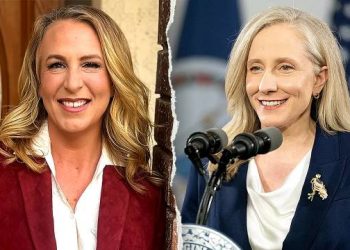
Noor Pahlavi is the eldest daughter of Reza Pahlavi, son of Mohammad Reza Pahlavi, the last Shah of Iran. Born in Washington, D.C., in 1992, she was raised and educated in the United States after her family fled Iran following the 1979 Islamic Revolution.
She is now joining her father and others in calling for the removal of Iran’s ruling theocracy.
Noor Pahlavi says her heart aches as she watches Iranians endure suffering in a country she has never visited but still considers deeply part of her identity.
In a wide-ranging interview with The California Post, the exiled princess described the abuses carried out against demonstrators, families, and even children during crackdowns by the same regime that forced her grandfather from power 47 years ago.
According to Pahlavi, children have been shot in the streets, doctors have faced punishment for treating anti-regime protesters, and many Iranians have been taken for secret interrogations, sometimes never returning.
These accounts are tragically familiar. The clerical leaders governing Iran face serious accusations, and speaking from the United States, Noor Pahlavi offers a perspective shaped by both distance and heritage. Though American-born and raised, she continues to regard Iran as her ancestral homeland.
“Imagine if this were happening to you and your country,” she said. “It’s happening at the hands of the government, the government that’s meant to protect them.
“It’s literally a government waging war on its own citizens. It’s just incredibly painful to watch, to hear about. And it’s hard for people here to see and hear about. But it’s our responsibility not to look away.”
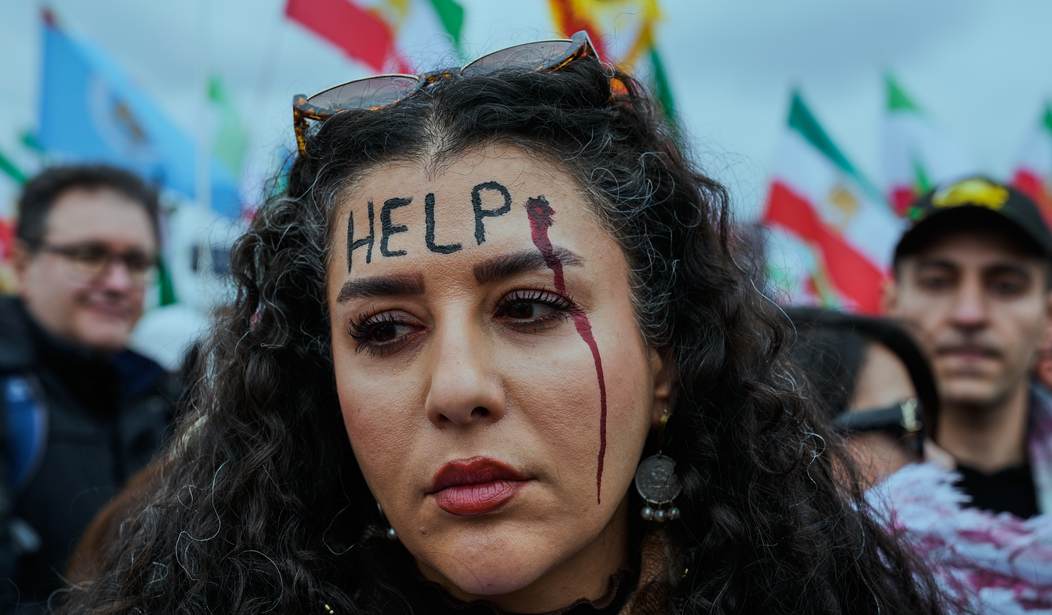
Her forceful call for regime change comes as protests continue both inside Iran and across the globe, including a large demonstration in her current home of Los Angeles.
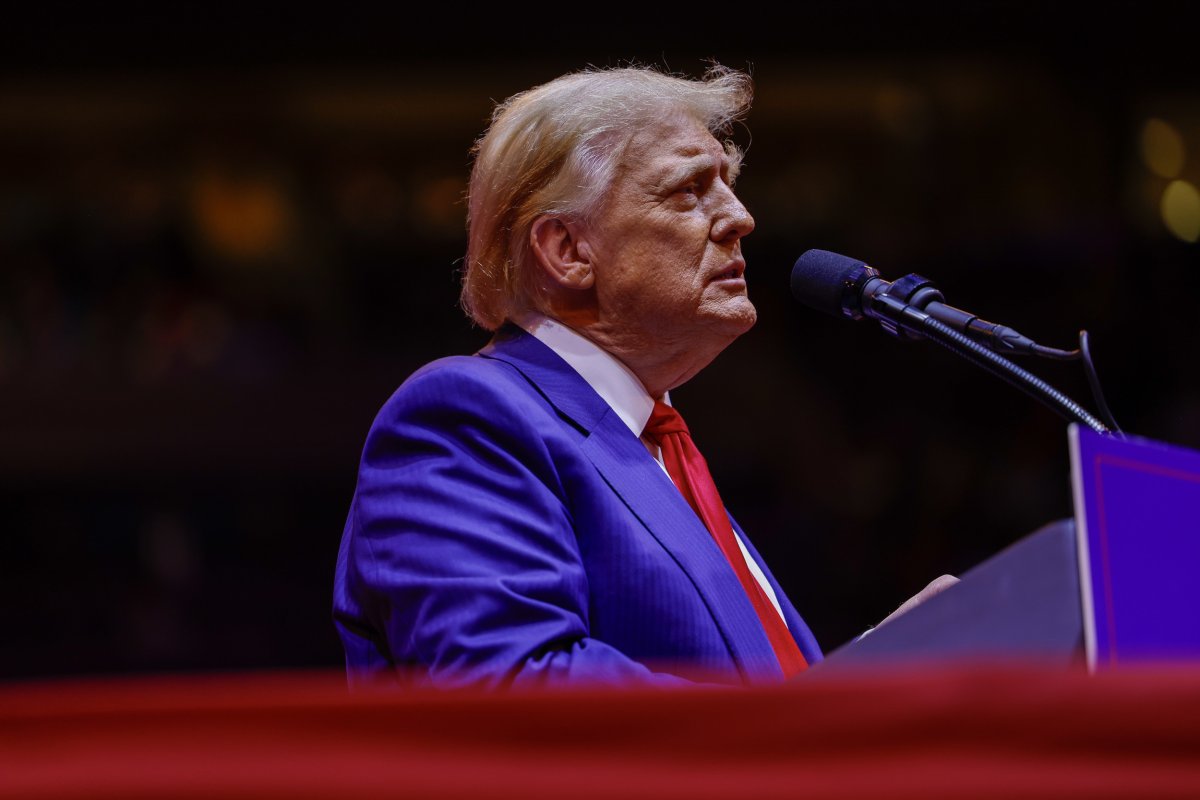
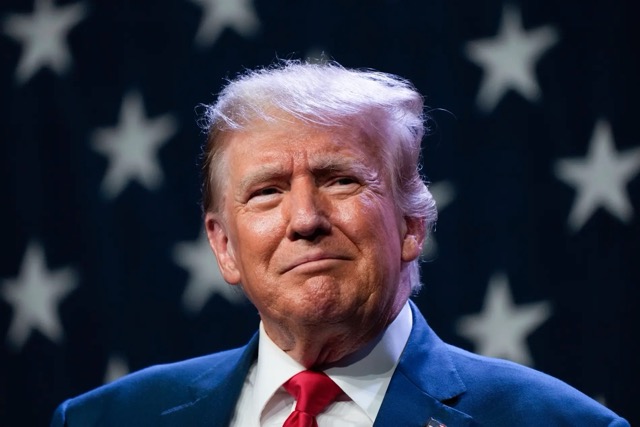
The unrest coincides with renewed pressure from Donald Trump, who has escalated rhetoric toward Iran. He has deployed two aircraft carriers to the Middle East while considering potential military action and has reportedly issued Tehran a 10-day ultimatum.
Pahlavi argues that the combined internal dissent and external pressure show the regime is more vulnerable than ever.
“It’s never been this close, and the regime has never been this weak,” she said.
Still, a return to monarchy may not be the ideal outcome for Iran. The late Shah’s rule had its own shortcomings, and if the Pahlavi family’s years in the West demonstrate anything, it may be that individual liberty—not rule by a monarch or a theocracy—offers the most just path forward.
Nevertheless, prominent figures such as the Pahlavis can serve as unifying symbols for opposition movements. They may help galvanize support and potentially assist in organizing a transitional framework if the current leadership falls. Reza Pahlavi has indicated his willingness to help establish an interim government should the opposition succeed in removing the clerical regime.
Many believe Iran is long overdue for change. After decades of repression at home and support for militant movements abroad, frustration has grown both among Iranians and within the international community. Whether Noor Pahlavi’s advocacy will help intensify momentum remains to be seen, but her decision to speak out adds another voice to a movement seeking transformation.